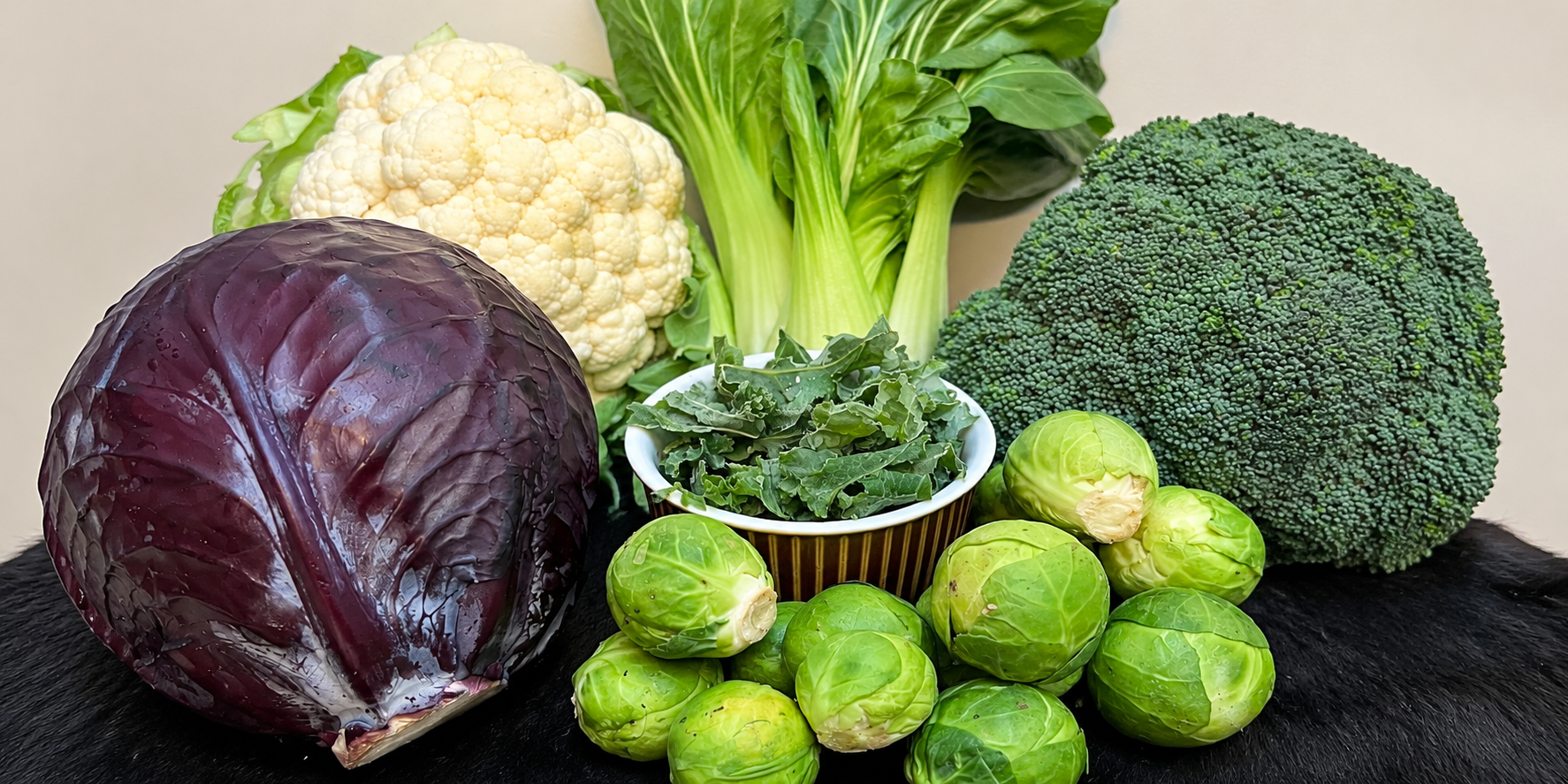
A simpler approach to healthy eating
Healthy eating doesn’t have to feel complicated. Eating more real food has become a mantra I’ve started to follow myself, and it’s one I think could help many people feel more confident and better directed when it comes to their diet.
For me, eating real food means focusing more on vegetables, fruit, beans, nuts, whole grains and other nutritious foods, rather than relying so heavily on highly processed options. It’s not about avoiding everything that comes in a packet or expecting every meal to be made from scratch. It’s about the overall balance of what we eat.
If you’ve scrolled recently, you’ve probably seen a constant stream of conflicting advice. One headline says cut carbs, another says eat more protein, and someone else blames seed oils. It’s easy to feel pulled in different directions.
In the UK, our Eatwell Guide hasn’t changed much since 2016. It still offers a broad picture of healthy eating at a population level, but it doesn’t always reflect how families actually live today or the individual differences that shape our health.
That’s why the new American dietary guidelines, published in January 2026, stood out to me. Their core message feels refreshingly clear: eat real food. While that doesn’t mean agreeing with every recommendation, it’s a message that resonates with me. It cuts through the conflicting advice and brings us back to something simple and sensible.
When the new guidelines were released, we also discussed them on the Geno 3 podcast, looking at the shift towards real food and what the recommendations could mean for the way we eat. If you’re interested in hearing more, you can listen to our conversation on Spotify.
Why eating real food feels like a return to basics
There’s something reassuring about that idea. It feels like a gentle reminder of how people used to eat before nutrition became a source of confusion. Not a call to go back in time, but an acknowledgement that food didn’t always come with debate attached. Families cooked what they had, meals were built from ingredients rather than instructions, and eating well felt straightforward.
I have my granny’s 100-year-old recipe book, which was passed down to me by my mum. There’s something lovely about flicking through its old pages, knowing that the recipes were once used in our family kitchen. I love what it represents. So much of cooking was based on ingredients, experience and instinct rather than following endless rules about what we should or shouldn’t eat.
I’m not suggesting we rewind 60 years. Life today looks completely different. Grandparents might have cooked more meals from scratch, but modern families are juggling work, school runs, rising costs and limited time. That’s real life, and any advice needs to start from that reality rather than aiming for perfection.
Working in personalised nutrition, I see how often people feel overwhelmed by healthy eating advice. When you look across decades of nutrition research, the same patterns keep appearing. Diets rich in vegetables, fruit, beans, nuts and whole grains, with an emphasis on minimally processed foods, are consistently associated with better long-term health outcomes.

This is my granny’s 100-year-old recipe book, a reminder of how straightforward food once was and how much of cooking came from instinct rather than rules.
Why small changes matter more than perfection
Eating real food doesn’t mean transforming your entire diet. It comes from small shifts that feel doable in the middle of a busy week.
It might be choosing one meal that feels more ‘real’ than usual. It might be adding something fresh to a plate that’s otherwise convenience-based. It might be picking the option that leaves you feeling a little better afterwards.
These small changes build momentum, and they’re far more sustainable than aiming for perfection.
This is where our approach to personalised nutrition at Geno 3 fits in. It builds on the foundation of real food. The basics matter first, and personalisation can refine the details once those foundations are in place.
Over the coming weeks, I’ll share practical tips for making healthy eating easier in everyday life, explore different aspects of nutrition and look at where personalised nutrition fits in.
For now, if there’s one message to hold onto, it’s this. Healthy eating doesn’t have to be perfect. Life has changed, and our advice needs to reflect that.
Start where you are, eat a little more real food and worry a little less about perfection. This week, choose one meal you regularly eat and see if you can add something nutritious to it.
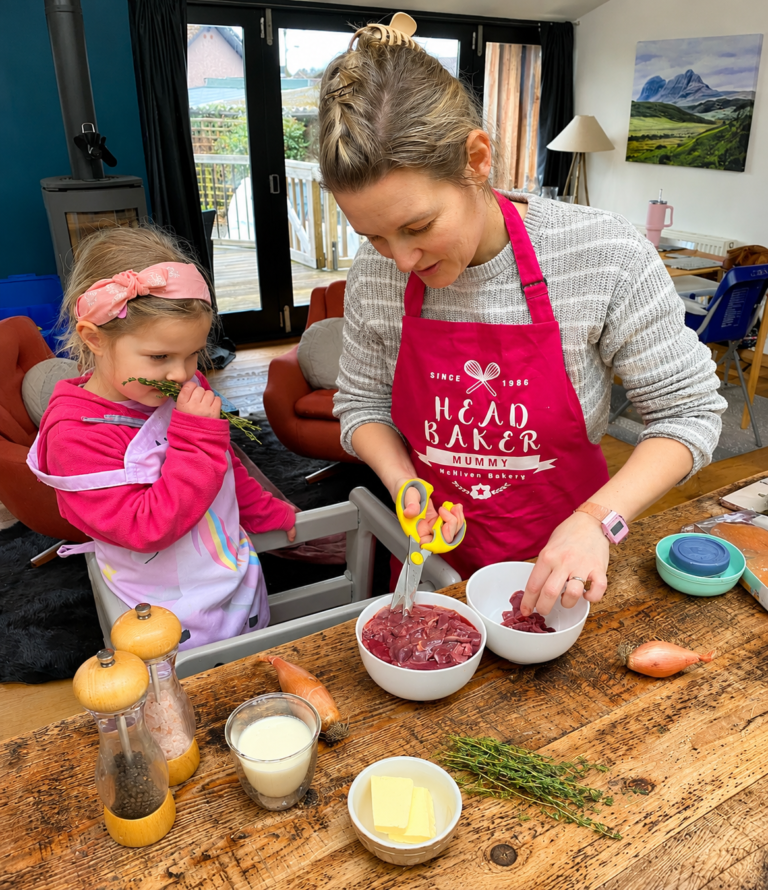
Cooking with my daughter, exploring flavours and learning along the way. A reminder that food is about more than nutrition. It’s also about sharing experiences, making memories and passing on family traditions.
References and further reading
- NHS. The Eatwell Guide. UK guidance on healthy eating and achieving a balanced diet.
- U.S. Department of Agriculture and U.S. Department of Health and Human Services (2026). Dietary Guidelines for Americans, 2025–2030. Official American dietary guidelines, including the updated food pyramid and the Eat Real Food message.
- English LK, et al. (2021). Evaluation of Dietary Patterns and All-Cause Mortality: A Systematic Review. JAMA Network Open, 4(8), e2122277.
- Schwingshackl L, et al. (2017). Food groups and risk of all-cause mortality: a systematic review and meta-analysis of prospective studies. American Journal of Clinical Nutrition, 105(6), 1462–1473.
- Dinu M, et al. (2018). Mediterranean diet and multiple health outcomes: an umbrella review of meta-analyses of observational studies and randomised trials. European Journal of Clinical Nutrition, 72(1), 30–43