What an Apple Watch Experiment Revealed About Eating Windows.
Late-night snacking is common.
A long day. Kids finally in bed. A quiet moment on the sofa. The cupboard calls.
But does eating later in the evening — especially sugary or processed snacks, actually impact your body in measurable ways?
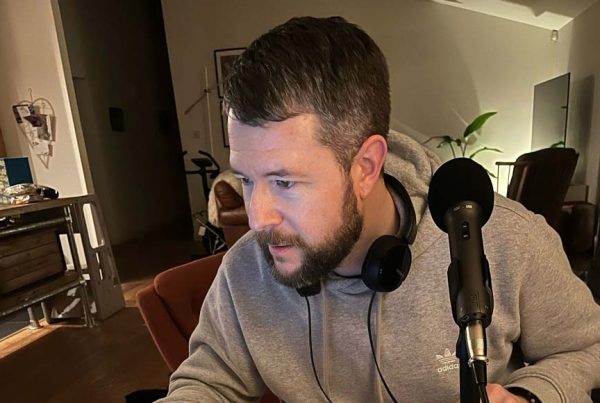
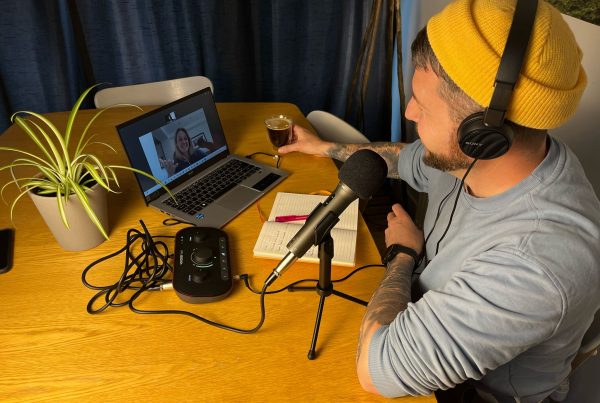
In this short Geno 3 mini podcast, host Andy is joined by co-founder Jenny to explore:
-
Eating windows and meal timing.
-
Late-night snacking habits in the UK.
-
The impact of sugar before bed.
-
And what happened when Jenny ran a simple two-week experiment using her Apple Watch.
The results might surprise you.
🎥 Watch the Episode
What Happens When You Eat Later at Night?
Most people don’t consciously think about the impact of late-night eating.
Dinner might be at 6pm. Or 7:30pm. Or 9pm if you’re out socialising.
Then there’s the “snack attack.” A handful of biscuits. Crisps. Chocolate. Maybe something sugary before bed.
The common concern people notice? Indigestion. Reflux. Needing Gaviscon.
But Jenny’s experiment looked at something different.
Not digestion. Not weight. Heart rate.
The Experiment: 3 Different Evening Scenarios
Jenny tracked her overnight resting heart rate over a stable two-week period. No travel. No major stress. Same routine.
She tested three different evening eating patterns.
1️⃣ Early Dinner (Finished Eating at 6pm)
-
Healthy meal.
-
No food after 6pm.
-
Bed around 10:30–11pm.
Average overnight heart rate: 58 beats per minute
2️⃣ Late Dinner (Finished Eating at 8pm)
-
Similar healthy meal.
-
Finished eating two hours later.
Average overnight heart rate: 61 beats per minute
That’s a 5% increase — just from shifting the eating window.
3️⃣ Dinner & Sugary Snack
-
Meal finished around 7pm.
-
Added a sugary, processed treat afterwards.
Average overnight heart rate: 67 beats per minute
That’s 17% higher than the early dinner scenario.
Why ten extra beats per minute matters?
At first glance, 10 extra beats per minute doesn’t sound dramatic.
But let’s break it down.
10 extra beats per minute = 600 extra beats per hour
600 extra beats per hour = 4,800 extra heartbeats over 8 hours of sleep
Nearly 5,000 additional heartbeats overnight — simply from eating later and adding sugar.
As Jenny puts it:
“That little heart is doing its best. And one or two decisions about when you finish eating and what you put in can have a much wider impact than you realise.”
How Late Night Eating Affects Sleeping and Recovery
When you sleep, your body should move into a parasympathetic state, often called “rest and digest.”
This is when your body:
-
Repairs tissue.
-
Regulates hormones.
-
Detoxifies.
-
Restores energy.
-
Supports fat metabolism.
-
Processes emotional stress.
But if blood sugar spikes late at night, your body remains in a more activated state.
Your heart rate stays elevated. Your nervous system doesn’t fully settle. Deep and REM sleep can be disrupted.
You may not always consciously notice this, but over time, it compounds.
Is it just about calories?
No. This isn’t about strict dieting. It isn’t about never going out for dinner. It isn’t about avoiding social events. It’s about awareness.
Jenny explains:
“When you’re at home in your normal routine, being conscious about when you finish eating and what you put in has a big impact on your daily health.”
The key is your default pattern, not the occasional treat.
The Long Term Impact of Eating Windows
When elevated heart rate, blood sugar disruption, and poor sleep become regular patterns, they can influence:
-
Weight regulation.
-
Insulin sensitivity.
-
Stress resilience.
-
Energy levels.
-
Hormonal balance.
-
Inflammation.
Small daily habits compound.
And sometimes the simplest shifts, like finishing dinner earlier, create measurable physiological changes.
Try It Yourself
You don’t need a lab.
If you wear an Apple Watch, Garmin, Whoop, or similar tracker:
-
Test an earlier dinner for a week.
-
Avoid sugar after your last meal.
-
Compare your overnight resting heart rate.
See what changes for you.
As Jenny says:
“I didn’t pay anyone. I just got curious.”
Curiosity is often where health clarity begins.
Final Thoughts
Late-night snacking is common but it has consequences if it becomes a habit.
Your body doesn’t stop working just because you’ve gone to bed.
Meal timing and food quality both influence how well you recover overnight, and that recovery affects everything the next day.
If you’re feeling tired, wired, inflamed, or stuck despite “eating healthy,” it may be worth looking not just at what you eat, but when.
Want More Clarity About What Actually Affects Your Health?
At Geno 3, we help people move beyond generic advice and understand what’s most relevant for their body, including how nutrition, timing and lifestyle patterns interact.
Because small, well-chosen shifts compound over time.